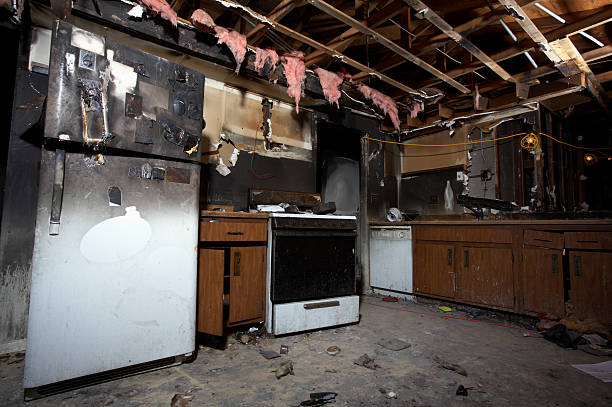
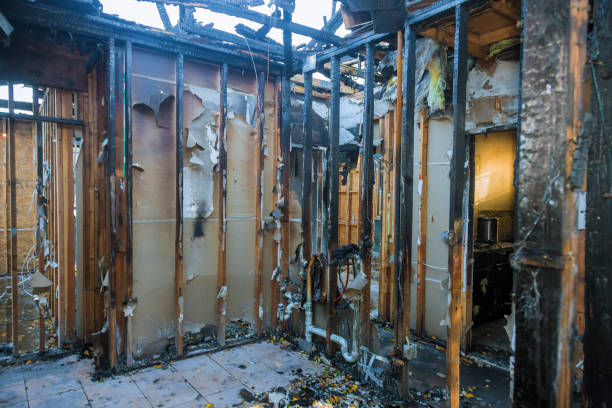
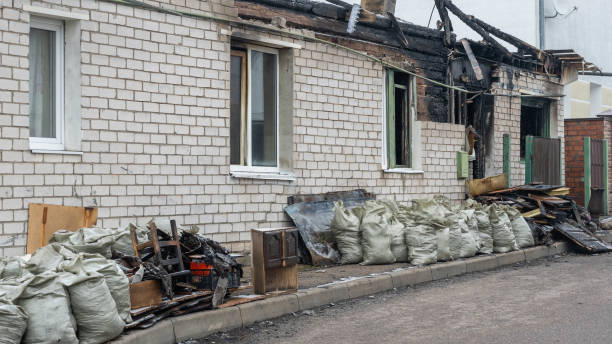
Every Fire Damage Restoration job in Napa, CA is documented against the IICRC S700 standard — the same benchmark your insurance adjuster will use to evaluate the claim.
📞 Call +1-866-484-1409 Now
This is the same certification your Napa, CA adjuster checks for on a claim.
Mitigation, drying, and rebuild run under a single project lead in Napa, CA.
No verbal estimate that quietly changes once work begins.
Built specifically for how Napa, CA insurance adjusters review claims.

This mapping step is what tells us exactly how far drying equipment needs to reach.
Leaving ash in place slows down every stage that follows, so this happens early.
Daily logs show drying progress so you're not just taking our word for it.
Odor treatment addresses the molecular source, not just the surface smell.
The rebuild is handled by the same team that ran mitigation, with no handoff gap.
A complete documentation package formatted for direct Napa, CA adjuster review.
A real technician answers, not a call center script.
Moisture meters and drying gear travel with every mobile unit.
You review and approve the number before anything is signed.
Work follows the approved plan through to a walkthrough you sign off on.
"One crew handling the whole process start to finish was a relief — no juggling separate contractors." — Homeowner, Napa, CA
"Seeing real moisture numbers each week instead of vague updates made the drying process feel transparent." — Homeowner, Napa
"Our adjuster said the documentation was more thorough than most claims he processes, which sped up our payout considerably." — Property Manager, Napa, CA
Everything from the initial assessment through the final rebuild walkthrough.
Depends on damage extent — we give a written timeline after the initial inspection.
Our whole documentation process is built around that certification.
In most cases yes — continuity is the entire point of running one scope.
Yes, documentation is formatted specifically for Napa, CA adjuster review.
We keep response times tight across Napa by staging drying equipment locally instead of routing through a central warehouse.